The military's
biggest mental
health crisis
isn't combat.
It's their houses. A November 2025 survey of 3,401 service members and families found anxiety, depression, and brain fog — not the respiratory symptoms everyone expects — are the dominant health impact of military housing.

Of service members surveyed could list at least one significant, hazardous issue with their military-provided home.
Reported mold, mildew, or microbial growth — most often in bathrooms (71%) and air vents (55%).
Of families say their health has been negatively impacted. 48% had a doctor confirm the link to their home.
Service members report housing has degraded their ability to perform duties or maintain readiness.
Everyone's
looking at
the wrong
symptom.
The public conversation about mold and military housing has focused on coughs, asthma, and rashes. The data tells a different story.
The most reported impact among service members and their spouses isn't respiratory — it's neurological and psychiatric: anxiety, depression, sleep loss, and brain fog. The same symptoms the DoD has spent a decade and billions of dollars trying to treat as a "mental health crisis."
Of the 47% reporting compromised mission readiness, the most common cause is mental health (61%) — outranking physical illness in spouse and child (63%) and direct cognitive impairment (37%).
- — Combat-related PTSD
- — Veteran suicide rates
- — Recruitment and retention
- — Burn pit exposure
- — Privatized housing scandals (mold, pests, repairs)
- 61%of housing-impacted families report anxiety / depression
- 67%of military spouses report mood changes from their home
- 55%of spouses report brain fog
- 38%of parents report mood / anxiety changes in their children
- 47%of service members say their home is degrading mission readiness
Building Related Illness is not a housing maintenance story. It is the military's largest, most measurable, and most preventable mental health input — and it's hiding in plain sight inside every base in the country.
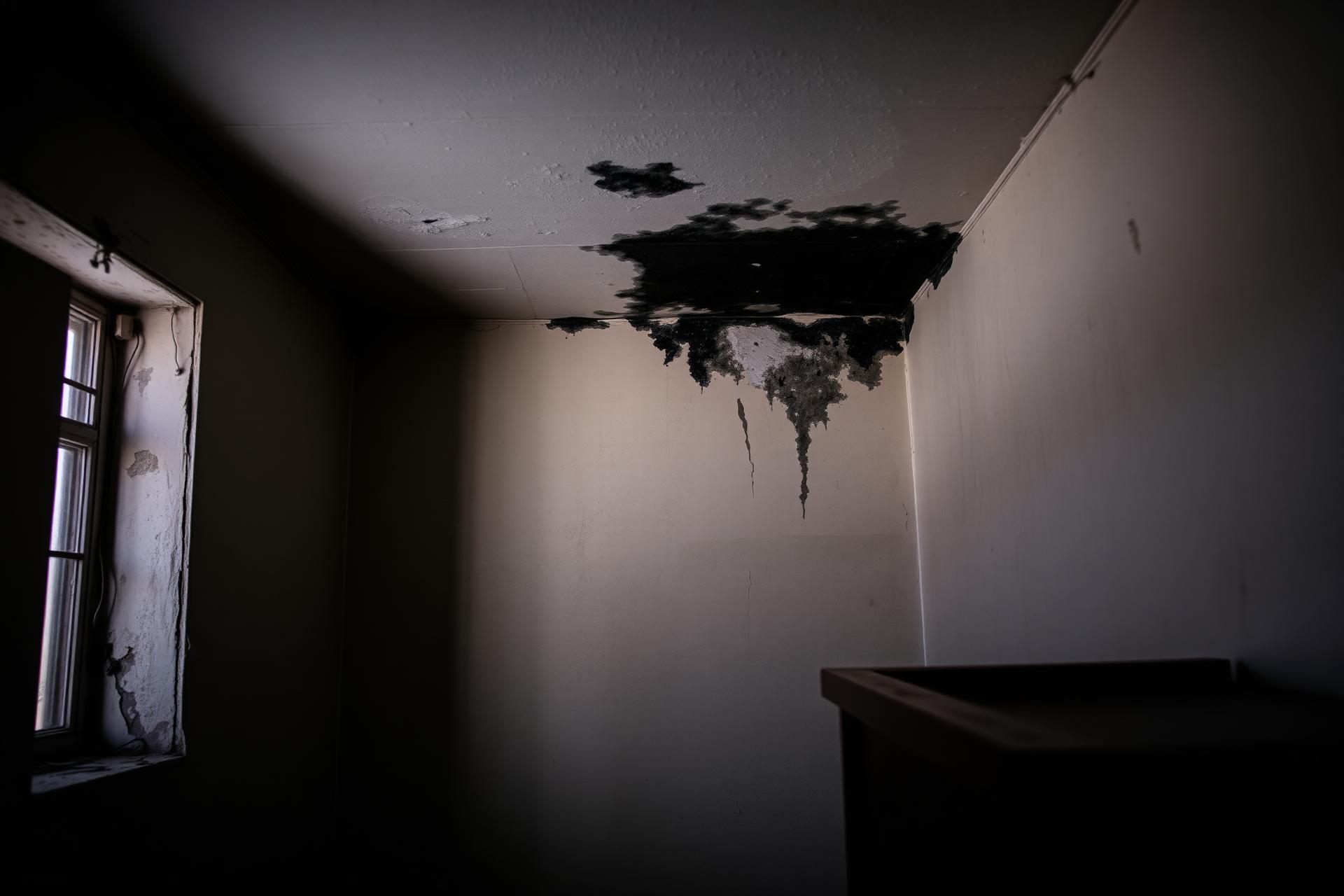
More than half of pleas to address dangerous home conditions are never resolved.
Of mold-related service requests, 72% were closed by the contractor without satisfactory action.
Only 7% of service members make it through all 3 steps of the formal Tenant Resolution Process. 66% with mold feel stuck without options.

"We will forever live with the damage of moldy military housing. Our recovery is only expected to be 75–80% of where our health was prior to living in moldy housing. Our future medical costs are estimated to be close to a million dollars."
About the source
This data exists because
someone refused to look away.
Change the Air Foundation is an independent 501(c)(3) non-profit — unaffiliated with Superstratum Labs — that commissioned and published the study cited throughout this page. They are the leading national voice advocating for service members and their families living in contaminated military housing.
Their work in Washington has driven Congressional hearings, Department of Defense oversight reform, and federal legislation aimed at holding privatized housing operators accountable for mold, water damage, and the health crises that follow.
If this page moved you, support the people who actually produced the evidence.
What Superstratum is doing about it
We're working on
military bases
to give service members
and their families
air they can trust.
Superstratum Labs is partnering with installations and housing advocates to remediate mold, restore indoor air quality, and put measurable Building Related Illness data into the hands of the families living through it. If you serve, support a service member, or work with military housing — we want to hear from you.
All statistics on this page are drawn from Unsafe and Unheard: Military Service Members and Their Families Sound Off on Dangerous Living Conditions, published November 2025 by Change the Air Foundation with independent analysis by Untold Research. Survey conducted October 6–27, 2025; n = 3,401 respondents (97% active duty) across all branches; 73% currently residing in military housing. Data tested for significance at the 95% confidence level. Source: changetheairfoundation.org.